Elevating Your Brand with Hibiscus Flowers Tropic Invitation Designs
In an era where visual communication often speaks louder than text, the demand for high-quality, versatile digital assets has never been higher. Among the myriad of design elements available to creators, the Hibiscus Flowers Tropic Invitation stands out as a particularly potent tool for modern branding and personal expression. This is not merely about inserting a flower into a layout; it is about leveraging a specific aesthetic that conveys warmth, vibrancy, and organic elegance. For professionals ranging from graphic designers to small business owners, understanding how to utilize such assets effectively can significantly enhance the impact of their work.
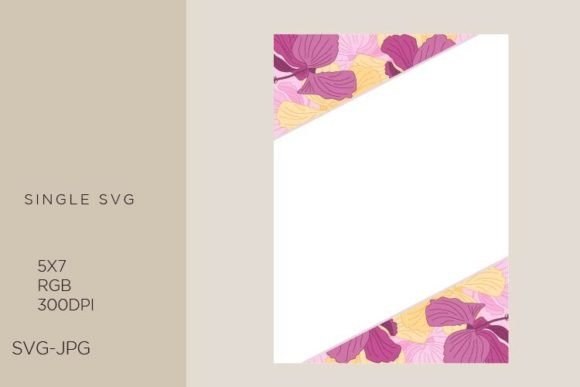
The relevance of tropical motifs in contemporary design cannot be overstated. As digital fatigue sets in among consumers, there is a marked shift toward designs that feel authentic, handcrafted, and connected to nature. The hibiscus, with its bold petals and intricate structure, serves as a perfect bridge between natural beauty and structured design. When packaged as a single vector artwork with precise specifications—such as a 5x7 inch artboard at 300 DPI in RGB color palette—it becomes a foundational element for a wide array of creative projects.
The Evolution of Digital Asset Utility
Historically, stock imagery was often treated as a final product—a photo to be placed directly onto a webpage or brochure. However, the modern workflow has evolved. Today’s creators require flexibility. They need assets that can be deconstructed, recolored, and resized without loss of quality. This is where the inclusion of both SVG and JPG files in a single zip package becomes critical. The SVG (Scalable Vector Graphics) file allows for infinite scalability, making it ideal for logo design and large-format prints, while the high-resolution JPG ensures compatibility with platforms that do not support vector formats.
This dual-format approach reflects a broader trend in the creative industry: the need for interoperability. A freelancer might start a project in Adobe Illustrator, using the SVG to tweak the curves of the hibiscus petals, and then export a PNG for social media use. Meanwhile, a hobbyist creating handmade cards might prefer the simplicity of dragging and dropping the JPG into a user-friendly design app. By providing both, the asset accommodates diverse skill levels and software preferences, thereby expanding its utility across different user segments.
Versatility Across Creative Disciplines
The true value of the Hibiscus Flowers Tropic Invitation lies in its adaptability. It is not confined to a single use case. Instead, it serves as a modular component that can be integrated into various mediums. Consider the following applications where this specific artwork can drive engagement and aesthetic cohesion:
- Logo Design: For businesses in the wellness, beauty, or hospitality sectors, a stylized hibiscus can serve as a memorable brand mark. The vector format ensures the logo remains crisp whether it is on a business card or a storefront sign.
- Wall Art and Home Decor: The 300 DPI resolution ensures that when printed on canvas or high-quality paper, the details of the flower remain sharp. This appeals to interior designers and homeowners looking for affordable yet sophisticated decor options.
- Stationery and Invitations: The 5x7 inch artboard size is standard for invitation cards. Designers can use the hibiscus as a border, a watermark, or a central focal point for wedding invitations, birthday announcements, or corporate event invites.
- Web and Graphic Design: In digital contexts, the RGB color palette ensures vibrant display on screens. Web designers can use elements of the flower to create custom icons, banners, or background patterns that enhance user experience without slowing down load times.
This versatility is crucial for entrepreneurs who need to maintain brand consistency across multiple touchpoints. Using a single, cohesive visual element helps in building brand recognition, which is essential in crowded markets.
Technical Specifications and Quality Assurance
Understanding the technical aspects of digital assets is vital for achieving professional results. The specification of 300 DPI (dots per inch) is the industry standard for print materials. Anything lower may result in pixelation, especially in detailed artworks like floral designs. For the Hibiscus Flowers Tropic Invitation, this resolution ensures that every vein in the petal and every gradient in the color transition is rendered smoothly.
Furthermore, the use of the RGB color palette is significant for digital-first designs. While CMYK is traditionally used for printing, RGB offers a wider gamut of colors, resulting in more vivid and lively visuals on screens. For creators who primarily distribute their work digitally—such as through social media, email newsletters, or websites—RGB is the optimal choice. However, it is important to note that if the final output is intended for professional offset printing, a conversion to CMYK may be necessary, though many modern digital printers handle RGB files exceptionally well.
The inclusion of the SVG file adds another layer of technical advantage. Unlike raster images (like JPG or PNG), vectors are based on mathematical paths. This means they can be scaled up to the size of a billboard or down to the size of a favicon without any loss in clarity. For web designers, this also means smaller file sizes and faster loading times, which are critical factors for SEO and user retention.
Meeting Modern Consumer Expectations
Today’s consumers are increasingly discerning. They can easily distinguish between generic, mass-produced designs and those that exhibit care and attention to detail. The use of high-quality, unique elements like the hibiscus vector artwork signals professionalism and creativity. For businesses, this translates to higher perceived value. For individual creators, it enhances the emotional resonance of their work.
Moreover, there is a growing appreciation for sustainability and ethical consumption in design. Digital assets reduce the need for physical prototypes and waste during the design phase. By allowing users to experiment with layouts and colors digitally before committing to print, these tools support more sustainable creative practices. The ability to create handmade craft items or printed paper items using digital templates also empowers individuals to produce small-batch, personalized goods, aligning with the trend toward bespoke and artisanal products.
Practical Recommendations for Creators
To maximize the potential of the Hibiscus Flowers Tropic Invitation artwork, consider the following best practices:
- Layering and Composition: Do not simply place the flower in the center. Experiment with overlapping elements, using opacity settings to create depth. The vector format allows you to separate parts of the flower if needed, enabling complex compositions.
- Color Harmony: While the default RGB palette is vibrant, do not hesitate to recolor the SVG to match your brand guidelines. Tools like Adobe Color can help you find complementary shades that enhance the tropical feel without clashing.
- Contextual Relevance: Ensure that the tropical theme aligns with your message. A hibiscus is perfect for summer events, spa promotions, or travel blogs, but may feel out of place for corporate financial reports. Context is key to effective design.
- File Management: Keep both the SVG and JPG files organized. Label them clearly with version numbers and dates. This practice saves time during revisions and ensures you always have the correct source file.
By integrating these strategies, creators can transform a simple digital graphic into a powerful communication tool. Whether you are designing a logo for a new startup, creating handmade cards for a family reunion, or developing web graphics for a travel blog, the Hibiscus Flowers Tropic Invitation offers the flexibility and quality needed to stand out.
In conclusion, the shift toward versatile, high-quality digital assets reflects broader changes in how we create and consume visual content. The Hibiscus Flowers Tropic Invitation is more than just a clipart element; it is a resource that empowers creators to produce professional, engaging, and aesthetically pleasing work across various mediums. By understanding its technical specifications and exploring its diverse applications, users can leverage this artwork to meet the evolving demands of modern design and connect more deeply with their audiences.