Understanding the Value of the African Animals Flat Icon: Bull Isolated
In the rapidly evolving landscape of digital design, the demand for high-quality, versatile visual assets continues to grow. Among these assets, vector illustrations play a pivotal role in establishing brand identity, enhancing user experience, and communicating complex ideas with simplicity. One specific asset that has garnered attention among designers and content creators is the African Animals Flat Icon: Bull Isolated. This graphic element represents more than just a decorative image; it serves as a functional tool for conveying themes related to safari, wildlife, nature, and zoo concepts. Understanding its characteristics, applications, and strategic value is essential for professionals seeking to elevate their web design projects.
Defining the Asset and Its Core Characteristics
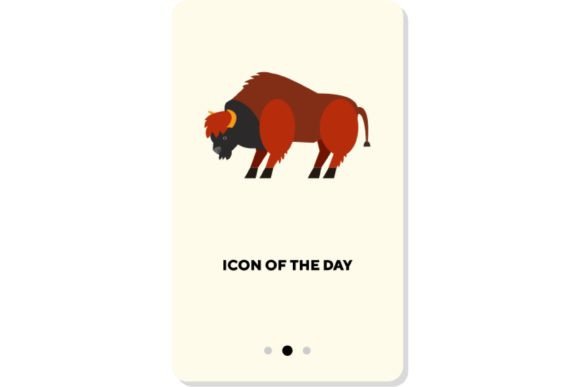
The African Animals Flat Icon: Bull Isolated is a vector illustration designed with a minimalist aesthetic. Unlike photorealistic images that can clutter a interface or slow down loading times, flat icons prioritize clarity and scalability. The term "isolated" indicates that the bull figure is presented against a transparent background, allowing seamless integration into various layouts without the need for extensive editing or masking. This feature is particularly valuable for designers who require flexibility in placement and composition.
The subject matter—a bull—evokes strength, resilience, and natural power. In the context of African wildlife, this icon may represent species such as the Cape buffalo or other robust bovine creatures native to the savannah. By stripping away unnecessary details and focusing on essential shapes and colors, the flat design style ensures that the icon remains legible even at smaller sizes. This makes it an ideal choice for mobile interfaces, navigation menus, and infographic elements where space is limited but visual impact is crucial.
Practical Applications in Web Design and Branding
The versatility of the African Animals Flat Icon: Bull Isolated extends across multiple industries and project types. For businesses operating in the tourism sector, particularly those specializing in safaris, eco-tourism, or wildlife conservation, this icon serves as an immediate visual cue. It helps users quickly identify relevant sections of a website, such as tour packages, animal guides, or conservation efforts. The use of consistent iconography enhances usability by creating a intuitive navigation structure.
- Educational Platforms: Educators and publishers developing materials about African ecosystems can use this icon to categorize content related to large mammals or herbivores. It adds visual interest to textbooks, online courses, and interactive learning modules.
- Zoo and Wildlife Park Websites: Zoos often rely on clear signage and digital maps to guide visitors. Incorporating flat icons like the isolated bull improves wayfinding apps and informational kiosks, ensuring that information is accessible to diverse audiences, including children and non-native speakers.
- Environmental NGOs: Non-governmental organizations focused on wildlife protection can utilize this symbol in campaigns, reports, and social media graphics. The clean, professional look of flat design aligns well with the serious yet hopeful tone of conservation messaging.
Moreover, freelancers and small business owners can leverage this asset to create cohesive branding materials. Whether used in logos, business cards, or email signatures, the icon contributes to a polished and professional appearance. Its vector format ensures that it retains sharpness regardless of scaling, making it suitable for both digital displays and printed merchandise.
Evaluating Quality and Usability
When assessing the worth of any design asset, quality and usability are paramount. The African Animals Flat Icon: Bull Isolated excels in these areas due to its technical construction. As a vector illustration, it is composed of mathematical paths rather than pixels. This means that designers can resize the icon infinitely without losing resolution or encountering pixelation. This scalability is a significant advantage over raster images, which often require multiple versions for different screen densities.
Usability is further enhanced by the simplicity of the design. Flat icons are generally easier to process cognitively than complex illustrations. Users can recognize the symbol quickly, reducing the time needed to understand the associated content. Additionally, the isolated nature of the bull allows for easy customization. Designers can change colors to match brand guidelines, adjust stroke weights, or combine it with other elements to create unique compositions. This flexibility supports creative experimentation while maintaining consistency across a project.
However, it is important to consider potential limitations. While flat design is popular, it may not suit every aesthetic. Projects requiring a high degree of realism or intricate detail might find this style too simplistic. Furthermore, because flat icons are widely available, there is a risk of overuse. To mitigate this, designers should ensure that the icon is part of a broader, cohesive visual system that reflects the unique personality of the brand or project.
Strategic Value for Professionals and Creators
For marketers and entrepreneurs, the strategic value of the African Animals Flat Icon: Bull Isolated lies in its ability to communicate efficiently. In an era where attention spans are short, visual communication must be instant and effective. This icon delivers a clear message about nature and wildlife without overwhelming the viewer. It supports storytelling by providing visual anchors that guide the audience through the narrative.
From a search engine optimization (SEO) perspective, using relevant visual assets can enhance engagement metrics. When users find content visually appealing and easy to navigate, they are more likely to stay on the page longer and explore further. While the icon itself does not directly influence rankings, the improved user experience it contributes to can indirectly benefit SEO performance. Additionally, properly tagged images with descriptive alt text can improve accessibility and provide context for search engines.
Creators and bloggers focusing on travel, nature, or lifestyle topics can also benefit from incorporating this icon. It breaks up text-heavy posts, making them more readable and engaging. When used in infographics or data visualizations, the icon helps illustrate points related to animal populations, habitat ranges, or conservation status. This not only enhances the aesthetic appeal of the content but also aids in comprehension.
Integration and Best Practices
To maximize the effectiveness of the African Animals Flat Icon: Bull Isolated, designers should follow best practices for integration. First, ensure that the icon aligns with the overall design language of the project. Consistency in style, color palette, and line weight is crucial for creating a harmonious visual experience. If the rest of the site uses outlined icons, a filled flat icon might look out of place unless adjusted accordingly.
Second, consider the context in which the icon appears. Placing it alongside relevant text or complementary images reinforces its meaning. For example, pairing the bull icon with statistics about buffalo populations or stories about safari experiences creates a stronger connection for the user. Avoid using the icon in isolation without context, as this may lead to confusion or misinterpretation.
Finally, test the icon across different devices and screen sizes. While vector formats are scalable, the visibility and clarity of the icon can vary depending on the display. Ensure that it remains recognizable on small mobile screens and does not become too dominant on larger desktop monitors. Adjusting size and spacing as needed will help maintain balance and readability.
Conclusion
The African Animals Flat Icon: Bull Isolated is a valuable resource for professionals seeking to enhance their digital projects with high-quality, versatile visual elements. Its combination of aesthetic simplicity, technical flexibility, and thematic relevance makes it suitable for a wide range of applications, from web design and branding to education and conservation advocacy. By understanding its strengths and integrating it thoughtfully, designers and creators can improve user experience, strengthen brand identity, and communicate their messages more effectively. As the demand for efficient and engaging visual content continues to rise, assets like this will remain essential tools in the modern designer’s toolkit.