Understanding the Socks and Wardrobe Flat Icon: Shoes, Socks, and Digital Design Essentials
In the rapidly evolving landscape of web design and application development, visual communication is paramount. Users process images significantly faster than text, making the choice of iconography a critical decision for user experience designers, marketers, and content creators. Among the myriad of symbols available, the socks and wardrobe flat icon set—often encompassing shoes and isolated vector signs—plays a surprisingly vital role in e-commerce, fashion blogs, and lifestyle applications. While these elements may seem simple at first glance, their implementation requires a nuanced understanding of design principles, scalability, and semantic relevance.
Many beginners and even some seasoned professionals overlook the subtle complexities involved in selecting and integrating clothing and fashion concept vectors. This oversight can lead to inconsistent branding, poor accessibility, and a disjointed user interface. By examining common pitfalls and offering practical corrections, we can ensure that your use of these vector illustration symbol elements enhances rather than hinders your digital presence.
The Misconception of "Generic" Fashion Icons
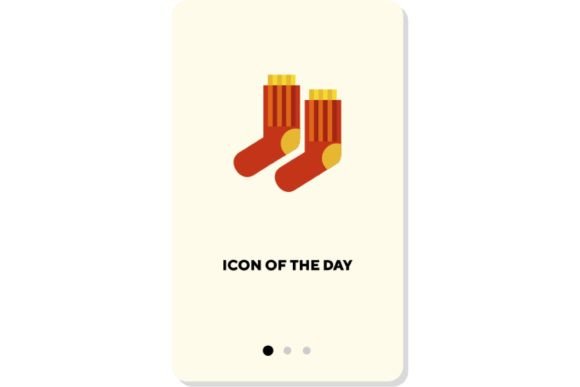
A frequent mistake when sourcing assets like the socks and wardrobe flat icon is assuming that all flat designs are created equal. Designers often download free or low-cost packs without evaluating the stylistic coherence of the individual elements. You might find a pair of socks that uses a two-pixel stroke width alongside a shoe icon that relies on solid fills with no outline. When placed side-by-side on a product page or within a navigation menu, this inconsistency creates visual noise.
This lack of uniformity affects the perceived quality of your brand. Users subconsciously associate sloppy design with unreliable service. To avoid this, always audit the entire icon set before integration. Ensure that line weights, corner radii, and color palettes are consistent across all items, from the smallest sock detail to the largest wardrobe silhouette. If you are mixing sources, consider using CSS or SVG editing tools to normalize the styles manually.
Overlooking Scalability and Vector Integrity
The term "vector" is often thrown around loosely in stock marketplaces. However, not all files labeled as vectors are optimized for modern web and app usage. A common error is downloading complex illustrations that contain thousands of unnecessary anchor points. When you scale a shoes, socks isolated vector sign down to a 16x16 pixel favicon or up to a large banner image, these excess points can cause rendering issues, blurry edges, or increased load times.
For optimal performance, choose icons that are geometrically simple. Flat icons thrive on minimalism. Before finalizing your download, open the file in a vector editor like Adobe Illustrator or Inkscape. Check the path structure. Are there redundant points? Is the shape closed properly? Clean, efficient vectors ensure that your clothing and fashion concept graphics remain crisp on high-resolution Retina displays and load quickly on mobile networks, directly impacting user satisfaction and SEO metrics related to page speed.
Igno ring Context and Semantic Meaning
Icons do not exist in a vacuum; they communicate specific actions or categories. A significant misunderstanding arises when designers choose an icon based solely on aesthetics rather than semantic clarity. For instance, using a generic wardrobe icon to represent "laundry services" might confuse users who expect a washing machine symbol. Similarly, a pair of socks might be interpreted as "accessories" by some users and "footwear" by others.
To mitigate ambiguity, pair your icons with clear labels, especially in navigation menus. If space is limited, rely on widely recognized conventions. Test your choices with real users if possible. Ask them what they think a specific socks and wardrobe flat icon represents before clicking. This simple validation step can prevent high bounce rates caused by navigational confusion. Remember, the goal is intuitive interaction, not just decorative appeal.
Neglecting Accessibility Standards
One of the most critical yet overlooked aspects of using vector symbols is accessibility. Many developers embed icons without proper ARIA labels or alt text, rendering them invisible to screen readers. For visually impaired users, a missing label on a "shoes" category icon means missing out on entire sections of an online store. This is not just a technical oversight; it is an exclusionary practice that limits your audience and potential revenue.
Always ensure that your SVG icons include appropriate aria-label attributes or are accompanied by hidden text descriptions. If the icon is purely decorative, mark it as such so assistive technologies can skip it. By prioritizing accessibility, you broaden your reach and demonstrate a commitment to inclusive design, which is increasingly valued by both users and search engines.
Best Practices for Selection and Implementation
To make the most of your socks and wardrobe flat icon assets, adopt a strategic approach to selection and deployment. Start by defining the visual language of your project. Are you aiming for playful and rounded, or sleek and angular? Stick to one style throughout. When evaluating potential downloads, look for packages that offer multiple formats (SVG, PNG, EPS) to ensure flexibility across different platforms.
- Check License Terms: Ensure the icon set allows for commercial use if you are building a client project or an e-commerce site. Attribution requirements can sometimes clutter your footer or code.
- Test on Dark and Light Backgrounds: Fashion apps often switch themes. Verify that your isolated vector signs maintain contrast and visibility in both modes.
- Optimize File Size: Use tools like SVGO to compress your SVG files without losing quality. Smaller files mean faster loading times, which is crucial for mobile users.
Furthermore, consider the cultural context of your symbols. While a wardrobe is universally understood, specific styles of shoes or socks might carry different connotations in different regions. Keep your target audience in mind when selecting the specific design details of your icons.
Final Thoughts on Quality and Consistency
Integrating vector illustration symbol elements for web design and apps is more than just a decorative task; it is a fundamental aspect of user interface design. By avoiding common mistakes such as stylistic inconsistency, poor optimization, and semantic ambiguity, you can create a more engaging and professional digital experience. Take the time to evaluate your assets critically, prioritize accessibility, and ensure that every icon serves a clear purpose. When done correctly, these small visual cues significantly enhance usability, helping users navigate your content with ease and confidence.