Elevate Your Digital Presence with 3D Social Media Elements
In the rapidly evolving landscape of digital marketing, standing out is no longer just about having a presence; it is about creating an experience. As users scroll through endless feeds on platforms like Instagram, TikTok, and LinkedIn, flat designs often blend into the background noise. This is where 3D Social Media Elements become a game-changer for designers, marketers, and content creators. By integrating depth, texture, and modern aesthetics into your visual strategy, you can capture attention more effectively and communicate your brand’s personality with greater impact.
The shift toward three-dimensional graphics is not merely a trend but a response to the human brain’s preference for realistic, tangible visuals. When you incorporate 3D shapes, icons, and illustrations into your social media posts, app interfaces, or web designs, you create a sense of immersion that flat vectors simply cannot achieve. This article explores how utilizing a high-quality set of 3D vector elements can solve common design challenges, streamline your workflow, and elevate your overall marketing efforts.
Understanding the Power of Depth in Social Media Design
Many content creators struggle with engagement rates despite posting consistently. One significant factor is visual fatigue. Audiences are bombarded with thousands of images daily, many of which look identical due to the overuse of standard stock photos and basic flat icons. 3D Social Media Elements offer a fresh alternative. These assets provide a polished, professional look that suggests high production value without requiring hours of complex 3D modeling from scratch.
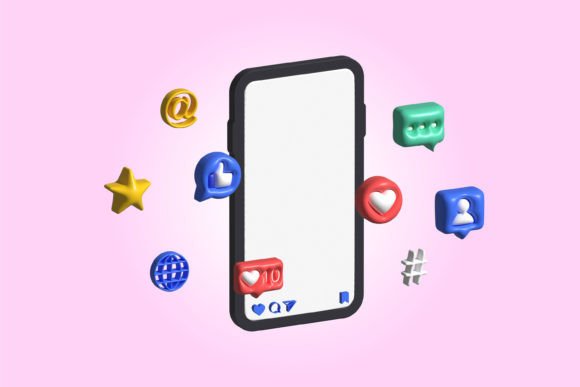
The core concept behind using these elements is to enhance communication through visual hierarchy. A 3D heart icon indicating a "like" carries more weight and emotional resonance than a simple two-dimensional outline. Similarly, a smartphone mockup featuring floating 3D notification bubbles creates a dynamic composition that guides the viewer’s eye naturally across the design. This approach helps in breaking down complex information into digestible, visually appealing components.
Solving Common Design and Marketing Challenges
Designers and marketers often face specific hurdles when creating content for multiple platforms. These include maintaining brand consistency, ensuring scalability across different devices, and reducing production time. A comprehensive set of 3D Social Media Elements addresses these pain points directly.
- Consistency Across Platforms: Using a unified set of 16 high-quality vector graphic elements ensures that your Instagram stories, Facebook ads, and website banners all share the same aesthetic language. This consistency builds brand recognition and trust.
- Scalability Without Quality Loss: One of the primary advantages of vector-based 3D elements is their infinite scalability. Whether you need a tiny icon for a mobile app interface or a large hero image for a desktop landing page, the quality remains crisp. This eliminates the need to create multiple versions of the same asset for different resolutions.
- Time Efficiency: Creating custom 3D models requires specialized software and significant time investment. By utilizing pre-made, editable AI files, you can bypass the modeling phase and focus on composition and messaging. This allows for faster turnaround times on campaigns and more agility in responding to trending topics.
Practical Applications for Modern Marketers
The versatility of 3D Social Media Elements means they can be applied across a wide range of digital touchpoints. Understanding how to deploy these assets effectively can maximize their return on investment.
Enhancing App Interfaces
User experience (UX) designers can leverage these elements to make app interfaces more intuitive and engaging. For instance, using 3D icons for navigation menus or action buttons can provide tactile feedback cues, even on a flat screen. The included smartphone notification icons—such as likes, hearts, and smiles—can be integrated into onboarding screens or tutorial overlays to demonstrate functionality in a visually appealing way.
Boosting Social Media Engagement
For social media managers, these elements are perfect for creating eye-catching posts. You can use the 3D shapes to frame text, highlight key statistics, or add depth to product photography. A post announcing a new feature could feature a 3D smartphone surrounded by floating interaction icons, instantly communicating the concept of connectivity and user engagement. The vibrant colors and smooth gradients typical of 3D design also perform well in algorithm-driven feeds that prioritize high-retention visuals.
Professional Web Design
Websites benefit significantly from the addition of subtle 3D elements. They can serve as section dividers, background accents, or interactive hover states. Because the files are provided in SVG format, they load quickly and remain sharp on retina displays, contributing to both aesthetic appeal and technical performance. This is crucial for maintaining low bounce rates and improving SEO metrics related to user experience.
Technical Flexibility and Customization
A major concern for designers adopting new asset packs is flexibility. Can these elements fit my brand guidelines? The answer lies in the file formats provided. The package includes AI files, SVG files, and PNGs, offering a robust solution for various workflows.
The AI files are fully editable, meaning you are not stuck with preset colors or sizes. You can adjust the hue, saturation, and brightness to match your brand palette perfectly. Furthermore, because they are vector-based, you can scale them up or down without any loss of quality. This is particularly useful for agencies managing multiple clients with distinct visual identities. The SVG files are ideal for web developers who need lightweight, code-friendly graphics that can be styled via CSS. Meanwhile, the PNG files offer quick-and-easy drag-and-drop functionality for non-designers or for use in platforms that do not support vector uploads.
It is important to note that while the package includes 16 vector graphics, images, text, and mockups shown in presentations are for demonstration purposes only. This transparency ensures that users understand exactly what they are purchasing: a versatile toolkit of core elements that serve as the building blocks for their unique creations.
Tailoring the Approach for Different Users
Different professionals will approach 3D Social Media Elements in unique ways based on their specific goals and skill levels.
Freelance Designers can use these elements to expand their service offerings. By incorporating 3D aesthetics into their portfolios, they can attract clients looking for modern, high-end visuals. The editable nature of the files allows for rapid prototyping during client pitches.
In-House Marketing Teams can utilize these assets to maintain a consistent visual identity across all internal communications and external campaigns. The ease of customization ensures that the elements can be adapted for seasonal promotions, product launches, or corporate announcements without deviating from brand standards.
Social Media Influencers and content creators who may not have advanced design skills can still benefit from the PNG files. These ready-to-use graphics can be overlaid on photos or videos using simple editing apps, adding a professional polish that distinguishes their content from competitors.
Making the Most of Your 3D Assets
To truly leverage the potential of 3D Social Media Elements, consider the following recommendations:
- Maintain Visual Balance: While 3D elements are striking, overusing them can clutter your design. Use them strategically to highlight key messages or calls to action.
- Experiment with Color: Do not hesitate to recolor the elements. A bold, contrasting color scheme can make your 3D icons pop against a minimalist background, while muted tones can create a sophisticated, understated look.
- Combine with Typography: Pair your 3D graphics with clean, modern fonts. The depth of the 3D elements complements sans-serif typefaces well, creating a cohesive and contemporary aesthetic.
- Test Across Devices: Always preview your designs on both mobile and desktop screens. Ensure that the 3D elements remain legible and impactful regardless of the screen size.
In conclusion, integrating 3D Social Media Elements into your digital strategy is a practical step toward enhancing visual engagement and professionalizing your brand’s online presence. By addressing common design challenges and offering flexible, high-quality assets, this toolkit empowers creators to produce compelling content efficiently. Whether you are designing an app interface, crafting a social media campaign, or updating your website, these 3D vectors provide the depth and distinction needed to thrive in today’s competitive digital environment.