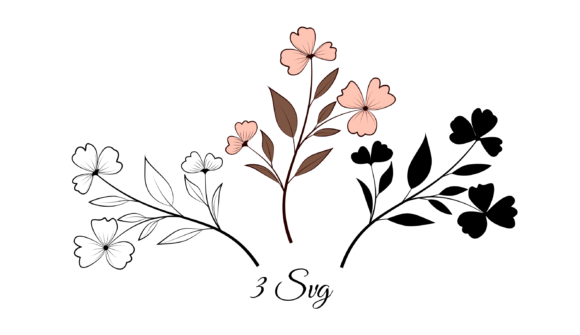
Cute Flower Branch: Three Styles for Creative Design
In the fast-paced world of digital and print design, finding assets that strike the perfect balance between charm and versatility can be a challenge. You often have to choose between something trendy but fleeting, or classic but boring. This is where the concept of a cute flower branch becomes an invaluable resource for creators. It is not just about adding a decorative element; it is about integrating a flexible visual language that can adapt to your specific brand voice, project requirements, and audience expectations.
Imagine having a single botanical motif that can shift its personality to match your needs. By immersing yourself in a set that offers three distinct interpretations—line, silhouette, and illustration—you gain a toolkit that solves multiple design problems at once. Whether you are crafting a minimalist website header, designing bold packaging for a new product, or creating engaging social media graphics, these varied styles ensure your work remains fresh, cohesive, and professionally polished.
The Power of Minimalism: Line Style
The line style representation of a floral branch is the epitome of modern elegance. In an era where clean interfaces and uncluttered layouts dominate web and app design, this approach emphasizes simplicity without sacrificing detail. The beauty of the line style lies in what it leaves out. By stripping away color and heavy shading, you force the viewer to focus on the structure, curvature, and organic flow of the plant.
This style is particularly effective for brands that want to communicate sophistication, clarity, and calm. For web designers, using a line-art flower branch as a subtle background pattern or a section divider can add visual interest without distracting from the main content. It works exceptionally well in monochrome palettes, allowing you to change the color of the lines to match any corporate identity or seasonal campaign instantly.
- Wedding Invitations: Use thin, delicate lines to frame text, creating a romantic yet contemporary feel.
- Stationery Design: Perfect for letterheads and business cards where space is limited and readability is paramount.
- Tattoo Inspiration: Many clients seek minimalist botanical designs that look elegant on the skin.
When utilizing the line style, consider the weight of the stroke. A thinner line suggests fragility and grace, while a slightly bolder line can convey strength and modernity. Consistency in line weight across your project is crucial for maintaining a professional appearance.
Drama and Contrast: The Silhouette Approach
If the line style is about subtlety, the silhouette style is about impact. By filling the shape of the flower branch with solid color, usually black or a deep hue, you create a dramatic graphic element that commands attention. This style transforms the organic complexity of nature into a bold, recognizable icon. It is less about the intricate details of petals and leaves and more about the overall shape and presence of the branch.
Silhouettes are incredibly versatile for background applications. Because they lack internal detail, they do not compete with foreground text or images. This makes them ideal for overlaying on photographs, using as watermarks, or incorporating into large-scale prints like wallpaper or fabric. The high contrast inherent in silhouette design ensures visibility even from a distance, making it a strong choice for signage and packaging.
For marketers and small business owners, the silhouette style offers a cost-effective way to create striking visual assets. It prints clearly on various materials, including textured paper, cardboard, and fabric, where fine lines might get lost or blurred. Think of eco-friendly product packaging where a bold, dark green silhouette of a leafy branch communicates nature and sustainability instantly.
Practical Applications for Silhouettes
- Logo Integration: Incorporate the silhouette into a logo mark for a gardening shop, florist, or wellness brand.
- Social Media Templates: Use as a corner accent in Instagram stories to frame quotes or product shots.
- Textile Patterns: Repeat the silhouette to create a seamless, bold pattern for tote bags or apparel.
Bringing Nature to Life: Illustration Style
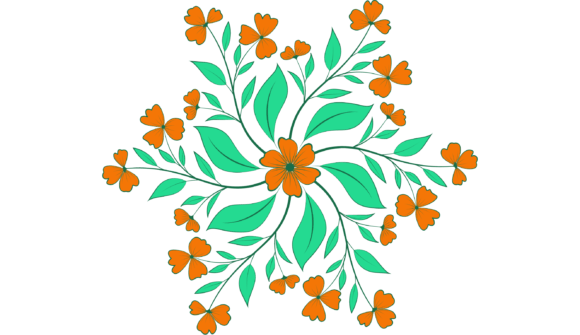
While line and silhouette styles rely on form and contrast, the illustration style brings energy, emotion, and vibrancy to the table. This approach uses bright, vivid colors and detailed shading to mimic the actual appearance of the flower branch. It is playful, inviting, and full of life. This style is perfect for projects that aim to evoke joy, warmth, and a sense of connection to the natural world.
The illustrated flower branch is a standout choice for children’s products, educational materials, and lifestyle branding. It adds a human touch to digital designs, making them feel less sterile and more approachable. For bloggers and content creators, using colorful illustrations can break up long blocks of text and keep readers engaged. The use of color psychology here is powerful; soft pastels can suggest calmness, while bright primaries can signal excitement and creativity.
When working with the illustration style, pay attention to color harmony. Ensure that the hues used in the flower branch complement your overall design palette. Avoid using too many saturated colors at once, which can overwhelm the viewer. Instead, let the illustration serve as a focal point against a neutral background.
Versatility Across Industries
The true value of having a cute flower branch available in three distinct styles is the ability to maintain brand consistency while adapting to different contexts. A single brand can use the line style for its annual report to convey professionalism, the silhouette for its trade show booth for high visibility, and the illustration style for its holiday greeting cards to spread cheer. This multi-style approach saves time and resources, as you do not need to source separate assets for different campaigns.
Educators can use these variations to teach design principles. The line style demonstrates contour and economy of line, the silhouette teaches shape and negative space, and the illustration covers color theory and texture. Freelancers can offer clients a comprehensive package that includes all three styles, adding value to their services and ensuring the client has assets ready for any future need.
Tips for Effective Implementation
To get the most out of these design elements, keep the following principles in mind:
- Scale Matters: Ensure the size of the branch is appropriate for the medium. A delicate line drawing may disappear on a large banner, while a complex illustration might look cluttered on a small mobile screen.
- Whitespace is Your Friend: Give the floral branch room to breathe. Crowding it with other elements diminishes its impact, regardless of the style.
- Contextual Relevance: Choose the style that matches the tone of your message. Use line art for serious or elegant topics, silhouettes for bold statements, and illustrations for friendly, casual communication.
- File Formats: Always use vector formats (like SVG or AI) when possible. This allows you to scale the image infinitely without losing quality, which is essential for both web and print applications.
By understanding the unique strengths of each style, you can elevate your creative projects. The cute flower branch is more than just a pretty picture; it is a flexible design tool that, when used thoughtfully, can enhance communication, strengthen branding, and inspire your audience. Whether you are designing for a global corporation or a local craft fair, these three styles provide the foundation for beautiful, effective, and memorable visual storytelling.