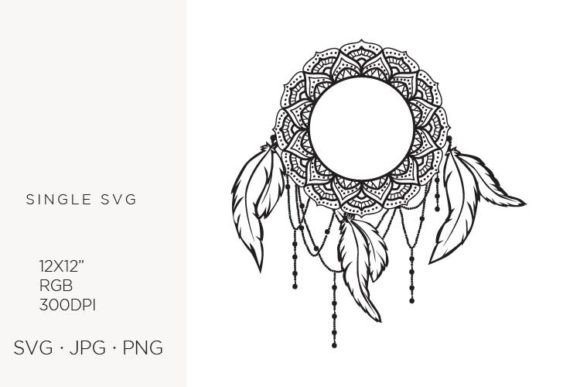
Unlocking Creative Potential with the Mandala Dream Catcher Vector
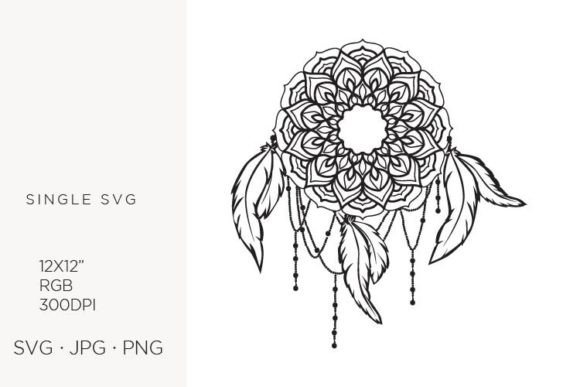
In the realm of digital design, few motifs carry as much spiritual weight and aesthetic versatility as the Mandala Dream Catcher. This hybrid symbol merges the geometric precision of sacred mandalas with the protective, organic folklore of the traditional dream catcher. For modern creators, accessing high-quality assets of this design is not just about finding a pretty image; it is about securing a foundational element that can elevate a wide array of projects. When you work with professional-grade vector files, specifically those crafted in Adobe Illustrator with an artboard size of 12 x 12 inches at 300 DPI resolution, you are equipping yourself with a tool that scales infinitely without losing clarity.
The Technical Advantage of Vector Graphics
Understanding the file formats available is crucial for maximizing the utility of your design assets. The Mandala Dream Catcher is typically provided in SVG, JPG, and PNG formats, each serving a distinct purpose in your workflow. The SVG (Scalable Vector Graphics) format is the crown jewel for designers. Because these files are made in a vector program like Adobe Illustrator, they rely on mathematical paths rather than pixels. This means you can resize the design from a tiny favicon to a massive billboard wrap, and the lines will remain crisp and smooth.
For those who need immediate raster images, the inclusion of JPG and PNG files offers convenience. The JPG format is ideal for quick previews or web-based mood boards where transparency is not required. However, the PNG with a transparent background is indispensable for layering. Imagine placing the intricate web of the dream catcher over a textured paper background for a wedding invitation or overlaying it on a photograph for social media content. The transparent background ensures that no white box surrounds your design, allowing for seamless integration into any color palette or composition.
Resolution and Color Integrity
Quality cannot be compromised when dealing with intricate details. A resolution of 300 DPI (dots per inch) is the industry standard for print production. Whether you are printing on thick cardstock for handmade cards or transferring the design onto fabric for apparel, this density ensures that the fine lines of the mandala do not appear jagged or pixelated. Furthermore, working in the RGB color palette provides a vibrant spectrum that translates beautifully to digital screens. While CMYK is used for commercial offset printing, RGB files offer greater flexibility for digital artists who may need to adjust hues for web design, app interfaces, or digital invitations before converting them for specific print needs.
Versatility Across Industries and Projects
The true power of the Mandala Dream Catcher lies in its adaptability. It is not confined to a single niche but serves as a dynamic element across various creative industries. Here is how you can leverage these digital graphics elements to enhance your portfolio or personal projects.
- Logo Design and Branding: For wellness centers, yoga studios, or holistic therapy practices, this symbol communicates balance and protection instantly. Using the vector file, you can isolate specific segments of the mandala to create a minimalist logo mark that retains the essence of the original design while remaining legible at small sizes.
- Wall Art and Home Decor: The bohemian aesthetic continues to dominate interior design trends. By scaling up the 12 x 12 artboard design, you can create large-format prints for canvas wraps, metal prints, or framed posters. The symmetry of the mandala provides a calming focal point for bedrooms and meditation spaces.
- Handmade Craft Items: Crafters can use these files with cutting machines. By importing the SVG into software compatible with devices like Cricut or Silhouette, you can cut the design out of vinyl for decals, heat transfer material for t-shirts, or even intricate paper cuts for shadow boxes.
Stationery and Event Planning
Event planners and stationery designers find immense value in such detailed graphics. The Mandala Dream Catcher adds a touch of elegance and mystique to printed paper items. Consider using the design as a watermark on wedding invitations or as a border element on announcement cards. The circular nature of the mandala frames text beautifully, drawing the eye toward the central message. For party decor, these elements can be repeated to create patterned table runners, napkin rings, or backdrop designs for photo booths.
Jewelry designers also benefit from these precise vector lines. The clean paths allow for easy conversion into CAD files for 3D printing or laser cutting. You can transform the digital graphic into physical pendants, earrings, or brooches, capturing the delicate interplay of the web and feathers in metal or wood.
Integrating into Modern Digital Workflows
In web and graphic design, efficiency is key. Having a pre-made, high-quality Mandala Dream Catcher saves hours of drawing time. Web designers can use the SVG code directly into HTML/CSS structures, allowing for interactive elements where the mandala might rotate or change color on hover. This enhances user engagement on landing pages for spiritual blogs, artisan shops, or creative portfolios.
Moreover, the ability to edit colors in Adobe Illustrator means you can match the asset to any brand guideline. If a client requires a monochrome look, you can easily convert the RGB colors to grayscale. If they want a vibrant, psychedelic vibe, you can experiment with gradient meshes within the vector paths. This flexibility ensures that the design never feels stale or out of place.
Considerations for Best Results
While the assets are ready to use, a few best practices ensure optimal outcomes. Always start with the vector file if you plan to modify the shape or scale significantly. Use the PNG transparent background files for quick composites in Photoshop or Canva. When preparing for print, double-check that your final document settings align with the printer’s requirements, even though the source file is 300 DPI RGB. Converting to CMYK may shift some vibrant blues and purples, so a proof print is recommended for critical color accuracy.
Additionally, respect the intricacy of the design. When using the Mandala Dream Catcher for small items like jewelry or favours, ensure that the lines are thick enough to be reproduced clearly. Laser cutters and engravers have minimum line width constraints, so simplifying the vector path slightly may be necessary for very small physical applications.
Elevating Your Creative Output
The intersection of traditional symbolism and modern technology offers endless possibilities. By utilizing a professionally crafted Mandala Dream Catcher vector set, you bridge the gap between ancient artistic traditions and contemporary design needs. Whether you are creating a serene piece of wall art, a distinctive logo, or intricate handmade cards, the quality of your source file dictates the quality of your final product.
Embrace the precision of Adobe Illustrator vectors and the convenience of transparent PNGs. Let the symmetrical beauty of the mandala and the protective lore of the dream catcher inspire your next project. With the right tools and a clear understanding of file formats, you can produce work that is not only visually stunning but also technically robust, ready to impress clients and customers alike across digital and physical mediums.