Plane Flat Icon. Aircraft, Flying Isolat: Strategic Visual Communication for Modern Brands
In the digital landscape, visual shorthand is not merely decorative; it is a critical component of user experience and brand clarity. The Plane Flat Icon. Aircraft, Flying Isolat represents more than a simple graphic element. It is a versatile symbol that conveys movement, global reach, speed, and connectivity. For entrepreneurs, marketers, and designers, understanding how to deploy this specific vector illustration can significantly enhance the effectiveness of web design, mobile applications, and broader marketing communications.
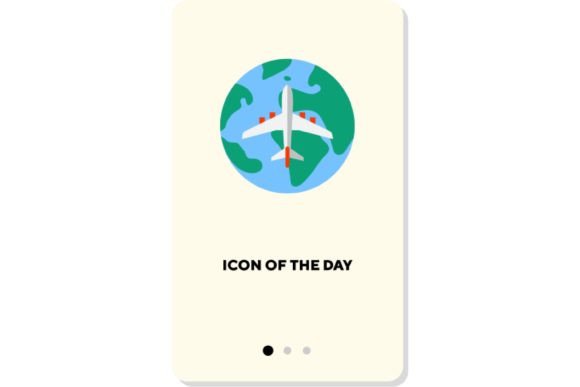
When we discuss the Plane flat icon. Aircraft, flying isolated sign, we are referring to a minimalist, two-dimensional representation of an aircraft, typically stripped of unnecessary detail to ensure instant recognition at small sizes. This isolation from background noise allows the icon to function seamlessly across various interfaces, from complex dashboards to clean landing pages. The strategic value lies not in the image itself, but in what it signals to the user: progress, travel, logistics, or upward mobility.
The Strategic Value of Minimalist Aviation Symbols
Visual consistency builds trust. When a user encounters a Plane Flat Icon. Aircraft, Flying Isolat within an app interface, their brain processes the symbol faster than text. This cognitive efficiency is crucial in high-stakes environments such as booking platforms, logistics tracking systems, or travel itineraries. By using a standardized, flat design approach, you reduce cognitive load, allowing users to focus on decision-making rather than interpretation.
Consider the role of air transport concept imagery in branding. A company specializing in rapid delivery services might use this icon to subtly communicate speed without explicitly stating it. Similarly, a consultancy firm might use the flying aircraft metaphor to suggest "taking your business to new heights." In both cases, the vector illustration symbol elements for web design and apps serve as a non-verbal anchor for the brand’s value proposition.
- Clarity: Flat icons remove visual clutter, ensuring the message is understood instantly.
- Scalability: Vector-based assets remain crisp on any screen resolution, from smartwatches to 4K monitors.
- Versatility: The isolated nature of the design allows for easy color customization to match brand guidelines.
Integrating Aviation Icons into User Experience Design
Effective design is intentional. Randomly placing a Plane Flat Icon. Aircraft, Flying Isolat on a webpage without context can confuse users. Instead, integrate these symbols where they support navigation or clarify functionality. For instance, in a multi-step checkout process for a travel agency, the aircraft icon can indicate the current stage of booking flights. This provides immediate spatial awareness to the user.
For app developers, the Aircraft, flying isolated sign is particularly useful in dashboard interfaces. If your application manages supply chains, using this icon next to "Air Freight" options distinguishes them clearly from sea or land transport options. This differentiation reduces errors and improves operational efficiency for the end-user. The key is consistency; once you establish that this specific icon represents air transport, do not change its meaning elsewhere in the application.
Enhancing Brand Positioning Through Visual Metaphors
Beyond functional UI elements, the Plane Flat Icon. Aircraft, Flying Isolat can play a pivotal role in broader marketing materials. Think about your brand’s narrative. Are you emphasizing speed? Global reach? Premium service? The aircraft is a universal symbol of modern connectivity. Using a well-designed, flat vector illustration in your email headers, social media graphics, or presentation decks can reinforce these themes subconsciously.
However, context matters. A luxury brand might opt for a more stylized, elegant version of the aircraft, while a budget airline might prefer a bold, straightforward geometric shape. The "flat" design trend favors simplicity, but the weight, angle, and color of the icon should align with your brand’s personality. A tilted aircraft suggests ascent and growth, while a level flight path suggests stability and reliability.
Practical Considerations for Implementation
Before integrating Vector illustration symbol elements for web design and apps into your project, consider the technical and aesthetic implications. Not all icons are created equal. Poorly constructed vectors can have uneven paths or excessive anchor points, leading to larger file sizes and slower load times. Always source high-quality assets that are optimized for web performance.
- Check Scalability: Ensure the Plane Flat Icon. Aircraft, Flying Isolat looks clear at 16x16 pixels as well as 512x512 pixels.
- Maintain Contrast: The icon must be visible against various background colors. Test it on light, dark, and colored backgrounds.
- Ensure Accessibility: Always include appropriate alt text for screen readers. Do not rely solely on the icon to convey critical information; pair it with labels when necessary.
Furthermore, consider the cultural context. While air travel is generally viewed positively in business contexts, be mindful of current events or sensitivities related to aviation. In most commercial contexts, however, the symbol remains a neutral and effective tool for conveying movement and logistics.
Avoiding Common Pitfalls in Icon Usage
One of the biggest risks in using generic symbols like the Plane Flat Icon. Aircraft, Flying Isolat is dilution of brand identity. If every competitor uses the exact same stock icon, your brand may blend into the background. To mitigate this, customize the icon. Adjust the color palette to match your brand’s primary hues. Modify the angle or style slightly to create a unique variation that still retains recognizability.
Another common mistake is overuse. Just because an icon is available does not mean it should be used everywhere. Reserve the aircraft symbol for moments where it adds genuine value. Overloading a page with icons can create visual noise, defeating the purpose of using flat design in the first place. Use whitespace effectively to let the Aircraft, flying isolated sign breathe and stand out.
Long-Term Benefits of Thoughtful Visual Strategy
Investing time in selecting and customizing the right visual elements pays dividends over time. A cohesive visual language, anchored by consistent icons like the Plane Flat Icon. Aircraft, Flying Isolat, strengthens brand recall. Users begin to associate specific visual cues with your service quality and reliability. This subconscious association can influence purchasing decisions and customer loyalty.
Moreover, well-chosen icons improve maintainability. When your design system relies on a set of standardized, vector-based icons, updating your website or app becomes easier. You can swap out colors or styles globally without redesigning individual images. This operational efficiency allows your team to focus on higher-level strategic goals rather than minor graphical tweaks.
In conclusion, the Plane flat icon. Aircraft, flying isolated sign is a powerful tool in the modern designer’s toolkit. It is not just a picture of a plane; it is a communication device that conveys speed, reach, and professionalism. By using it intentionally, strategically, and consistently, you can enhance user experience, strengthen brand positioning, and achieve better long-term results. Treat every icon as a strategic asset, and ensure it serves a clear purpose in your broader digital ecosystem.
Remember, the goal is not just to decorate, but to facilitate understanding. Whether you are building a complex logistics platform or a simple travel blog, the right visual elements can make the difference between confusion and clarity. Choose your Plane Flat Icon. Aircraft, Flying Isolat wisely, integrate it thoughtfully, and watch how it elevates your digital presence.