Evaluating Watercolor Tea Clipart PNG for Creative Projects
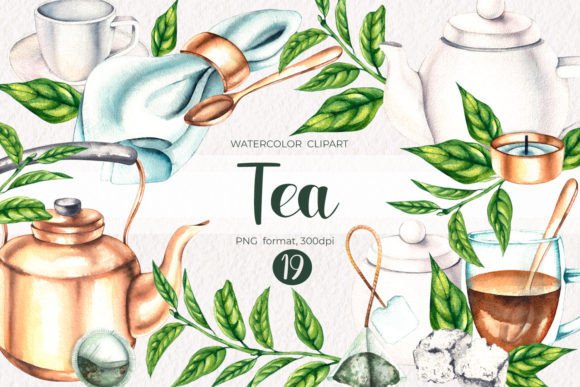
In the realm of digital design, the demand for authentic, hand-crafted aesthetics continues to grow. Designers, marketers, and hobbyists alike are increasingly turning away from sterile, vector-based graphics in favor of organic textures that convey warmth and personality. One specific resource gaining traction is Watercolor Tea Watercolor Clipart PNG. This collection typically features hand-painted elements such as tea leaves, ceramic dishes, spoons, cups, and tea plants. Understanding the utility, limitations, and ideal applications of these assets is crucial for anyone looking to enhance their visual communication strategy.
Understanding the Asset Composition
At its core, this type of clipart package is a curated set of digital images derived from traditional watercolor paintings. Unlike flat illustrations, watercolor art introduces natural variations in pigment density, paper texture, and edge softness. A standard high-quality package, such as one containing 19 PNG files, offers a diverse range of components. These usually include isolated elements like steaming teacups, scattered loose-leaf tea, elegant ceramic saucers, and botanical accents like tea plant sprigs.
The technical specification is equally important. These files are generally provided at a resolution of 300 DPI (dots per inch) with a transparent background. The 300 DPI standard ensures that the images remain crisp and detailed when printed, while the transparent background allows designers to layer the elements seamlessly over various colors and textures without unsightly white boxes surrounding the artwork.
Strategic Applications in Marketing and Design
The versatility of hand-painted watercolor tea elements makes them suitable for a wide array of projects. However, their effectiveness depends on aligning the aesthetic with the brand identity or project goal.
- Brand Identity and Logo Design: For businesses in the wellness, hospitality, or artisanal food sectors, these elements can soften a brand’s image. A logo incorporating a delicate tea leaf or a rustic cup can evoke feelings of calm, tradition, and quality.
- Packaging and Gift Wrapping: Physical products benefit significantly from tactile-looking designs. Using these clipart elements on tea boxes, labels, or gift wrap creates a premium, handcrafted perception that resonates with consumers seeking authenticity.
- Digital and Web Design: On websites and social media, watercolor elements break up text-heavy layouts. They serve as excellent decorative headers, dividers, or background accents for blogs related to lifestyle, cooking, or mindfulness.
- Print Media and Stationery: Invitations, greeting cards, and postcards are perhaps the most common use cases. The organic nature of watercolor complements formal events like weddings or casual gatherings, adding a personal touch that rigid geometric shapes often lack.
Benefits of Using Pre-Made Watercolor Elements
Creating original watercolor artwork requires significant skill, time, and materials. Utilizing a pre-made Watercolor Tea Watercolor Clipart PNG package offers several distinct advantages.
Time Efficiency: Designers can bypass the hours spent painting, scanning, and editing. The elements are ready to drag and drop, allowing for rapid prototyping and faster project completion.
Consistency: A curated pack ensures that all elements share the same color palette, brush style, and lighting conditions. This consistency is vital for maintaining a cohesive look across multiple marketing materials, from stickers to posters.
Cost-Effectiveness: Hiring a professional illustrator for custom work can be prohibitively expensive for small businesses or individual creators. Purchasing a clipart bundle provides access to high-quality art at a fraction of the cost.
Tradeoffs and Technical Considerations
While convenient, raster-based clipart comes with inherent limitations that users must evaluate before purchase.
Scalability Issues: Unlike vector files (SVG or AI), PNGs are raster images. This means they are made of pixels. While 300 DPI is sufficient for most print sizes up to A4 or letter size, enlarging these images significantly for large-format printing (such as billboards or trade show banners) may result in pixelation or blurriness. Users should always check the actual pixel dimensions of the files to ensure they meet their size requirements.
Color Variation: Watercolor is inherently unpredictable. The colors seen on a calibrated monitor may differ slightly from the final printed output due to variations in printer ink and paper type. It is advisable to order a test print if color accuracy is critical for brand guidelines.
Licensing Restrictions: Not all clipart packages allow for unlimited commercial use. Some may restrict the number of end products sold or prohibit use in logos that will be trademarked. Always review the license agreement to ensure compliance with your intended use case.
When to Choose This Format Over Alternatives
Deciding whether to use watercolor PNGs depends on the specific needs of the project. Here is a framework for decision-making:
Choose Watercolor PNGs When:
- Authenticity is Key: Your target audience values handmade, organic, or artisanal qualities. This is common in niche markets like organic teas, yoga studios, or boutique bakeries.
- Quick Turnaround is Needed: You need to produce high-quality visual assets quickly without commissioning custom art.
- Medium is Primarily Digital or Small Print: Your primary output is web-based, social media, or standard-sized printed materials like business cards and flyers.
Consider Alternatives When:
- Unlimited Scalability is Required: If you need to resize graphics frequently for various mediums, from mobile icons to building wraps, vector graphics are a superior choice.
- Brand Guidelines are Strict: Corporate brands with rigid color codes and geometric design languages may find watercolor too informal or inconsistent.
- Unique Intellectual Property is Essential: Since clipart is sold to multiple users, your design will not be unique. If exclusivity is a priority, commissioning a custom illustrator is necessary.
Practical Tips for Integration
To maximize the impact of Hand-painted Watercolor tea elements, consider how they interact with other design components. Pairing these soft, fluid images with clean, sans-serif typography creates a balanced modern-rustic aesthetic. Avoid cluttering the design; let the negative space around the watercolor elements breathe, mimicking the natural flow of paint on paper.
Additionally, experiment with blending modes in design software. Overlaying watercolor textures onto solid backgrounds or photographs can create depth and interest, transforming a simple layout into a sophisticated composition. For sticker creation or product labels, ensure that the transparent edges are clean and that the contrast between the element and the background material is sufficient for visibility.
Conclusion
The Watercolor Tea Watercolor Clipart PNG collection represents a valuable resource for designers seeking to infuse their work with warmth and character. By offering 19 high-resolution, transparent files featuring essential tea-related imagery, it bridges the gap between artistic expression and practical utility. While it may not replace the need for custom vector graphics in all scenarios, it provides an efficient, cost-effective solution for branding, marketing, and personal projects where an organic, handcrafted feel is desired. Careful consideration of resolution limits and licensing terms will ensure that these assets serve their purpose effectively, enhancing rather than hindering your creative goals.